Electrical & Mechanical Integration
Introduction
Most automation projects don’t fail on the equipment. They fail in the gaps between the trades. The equipment supplier delivers the machines, a mechanical contractor bolts them down, an electrician runs power, a controls programmer writes the logic, and someone has to make it all work together. When it doesn’t, every contractor points at the next one, and you’re the one paying for the delays.
SAS removes those gaps. We deliver the full electrical, mechanical and controls scope of your automation project as one turnkey package: design, installation, wiring, integration, testing and commissioning. Your system arrives fully integrated and ready to run, not as a collection of parts waiting for someone to connect them.
We’ve delivered this full scope for high-volume Sydney operations, including Booktopia and Pet Circle.
One team. One integrated system. One point of accountability.
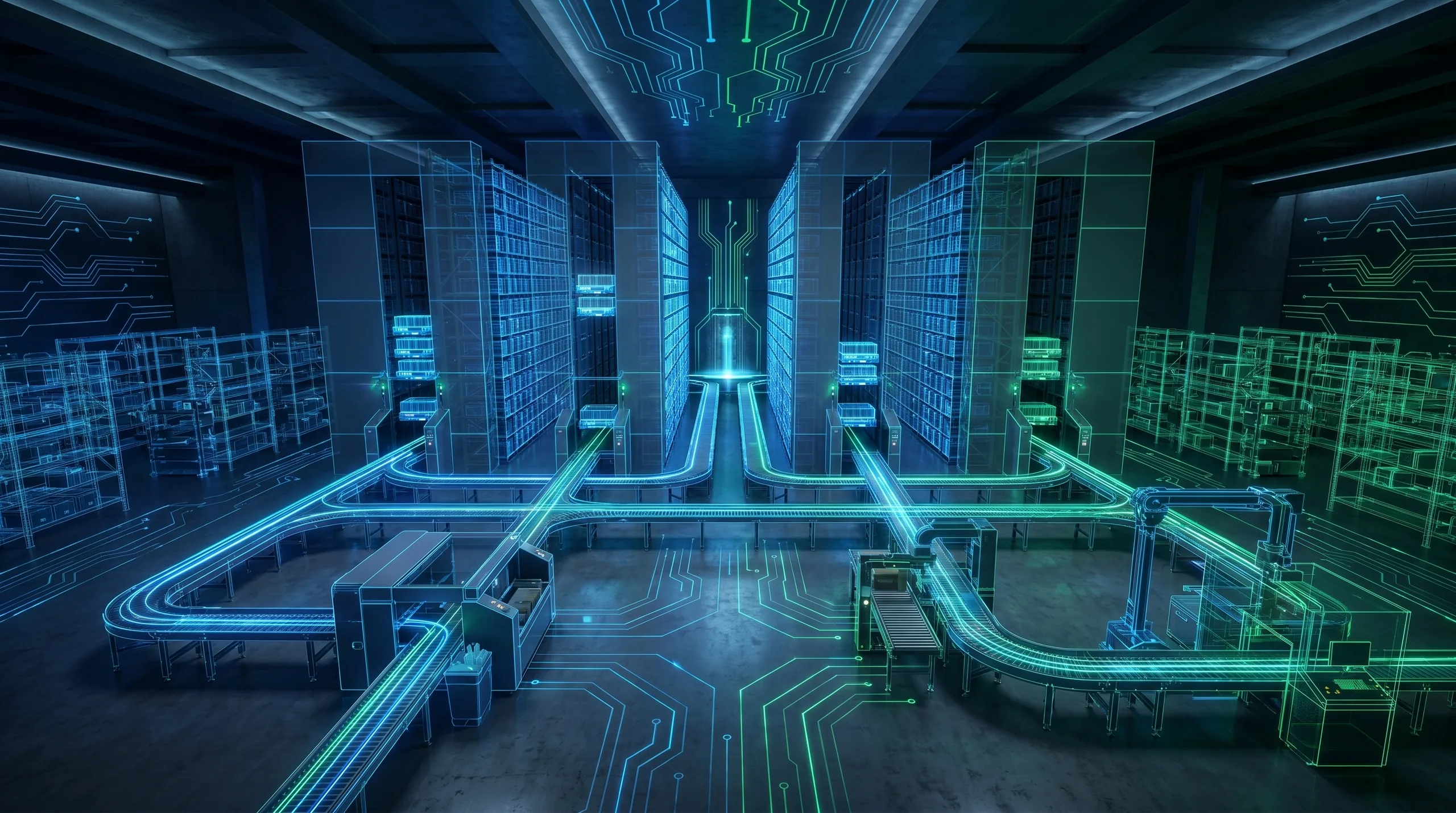
Every integration project starts with your site and your equipment list, not a standard install package. We plan every trade together, so there are no surprises when work starts on site.
We survey your site, review drawings, slab and power capacity, and design the mechanical layout, electrical scope and control logic as one package before anything is ordered.
Our team installs the equipment, runs power and controls wiring, and connects every machine to SASCA and your WMS. Work is staged around your operating hours so you keep shipping.
We test each machine, then the whole system under real load. We train your operators and maintenance team, hand over drawings and documentation, and support you locally after go-live.
Benefits
When something isn't right, there's one number to call. You don't have to work out which contractor caused it.
Mechanical, electrical and controls work is planned together and sequenced on one program, so trades aren't waiting on each other or redoing each other's work.
Designing every trade at the same time catches clashes and missing scope on paper, not on site after the budget is spent.
Guarding, emergency stops and safety interlocks are designed into the system from the start, not bolted on after a risk review.
Each machine works on its own, but we also test how they work together under real order volumes before handover.
You get as-built drawings, documentation and one support partner who knows every part of the system, mechanical, electrical and software.
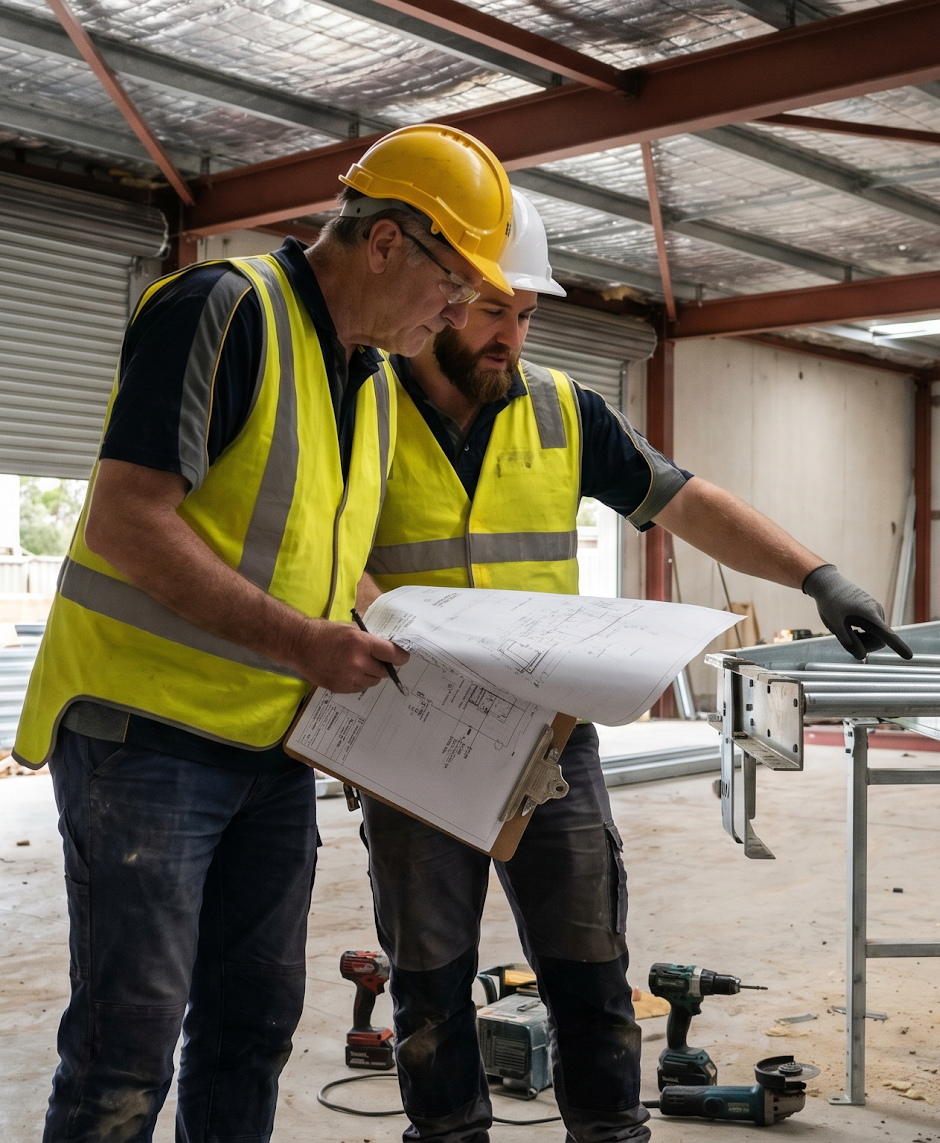
3 areas we check during our site survey
Floor drawings, slab condition, column positions and clear height tell us where equipment can go and how it needs to be anchored. If you don't have current drawings, we'll survey the site.
Your switchboard needs spare capacity for the new equipment. We check this early, so any upgrade is planned into the schedule instead of discovered at commissioning.
We need safe access for deliveries and lifting equipment, and agreed windows for any work that affects your operation. We plan the install around your busiest periods, not through them.
Questions & answers
It's the work that turns separate automation equipment into one working system. That covers mechanical installation, electrical power and wiring, controls programming, and testing everything together. SAS delivers all of it as one turnkey package, so a single team is responsible for the result.
Turnkey means one provider delivers the complete system, ready to run, from design and supply through installation, integration and commissioning. You don't have to manage separate contractors or connect the pieces yourself.
Separate contractors each own one part of the job, so problems between their scopes often belong to no one. With one integrator, design clashes are caught early, trades are sequenced properly, and one team is accountable for the system working as a whole.
In most cases, yes. We assess the existing equipment and its controls, then design how it connects to the rest of the system and to SASCA.
Yes. Most of our projects are in live warehouses. We stage the work, agree shutdown windows in advance, and plan the install around your peak periods.
Our designs follow Australian standards for machinery safety and electrical wiring, including guarding, emergency stops and safety interlocks. All electrical work is carried out by licensed electricians.
As-built drawings, electrical schematics, PLC program backups, operating and maintenance manuals, and training for your operators and maintenance team.