Conveyor Solutions
Introduction
In most warehouses, product spends more time being carried than being worked on. Cartons get walked from picking to packing, totes get stacked onto trolleys, and parcels get hand-sorted into carrier cages at the end of every shift. Each hand-off adds labour and delay, and gives one more chance to drop, damage or misroute an order.
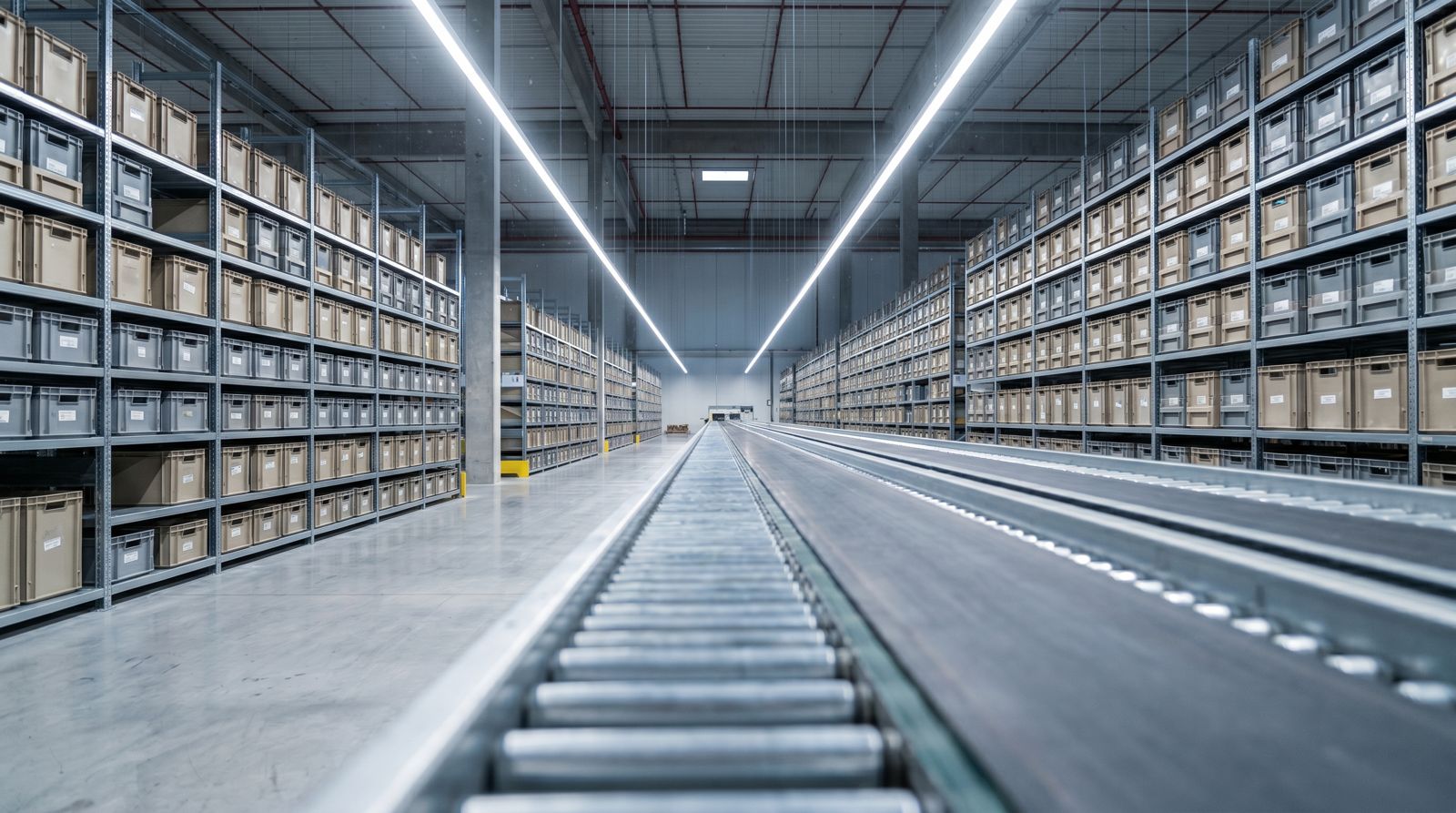
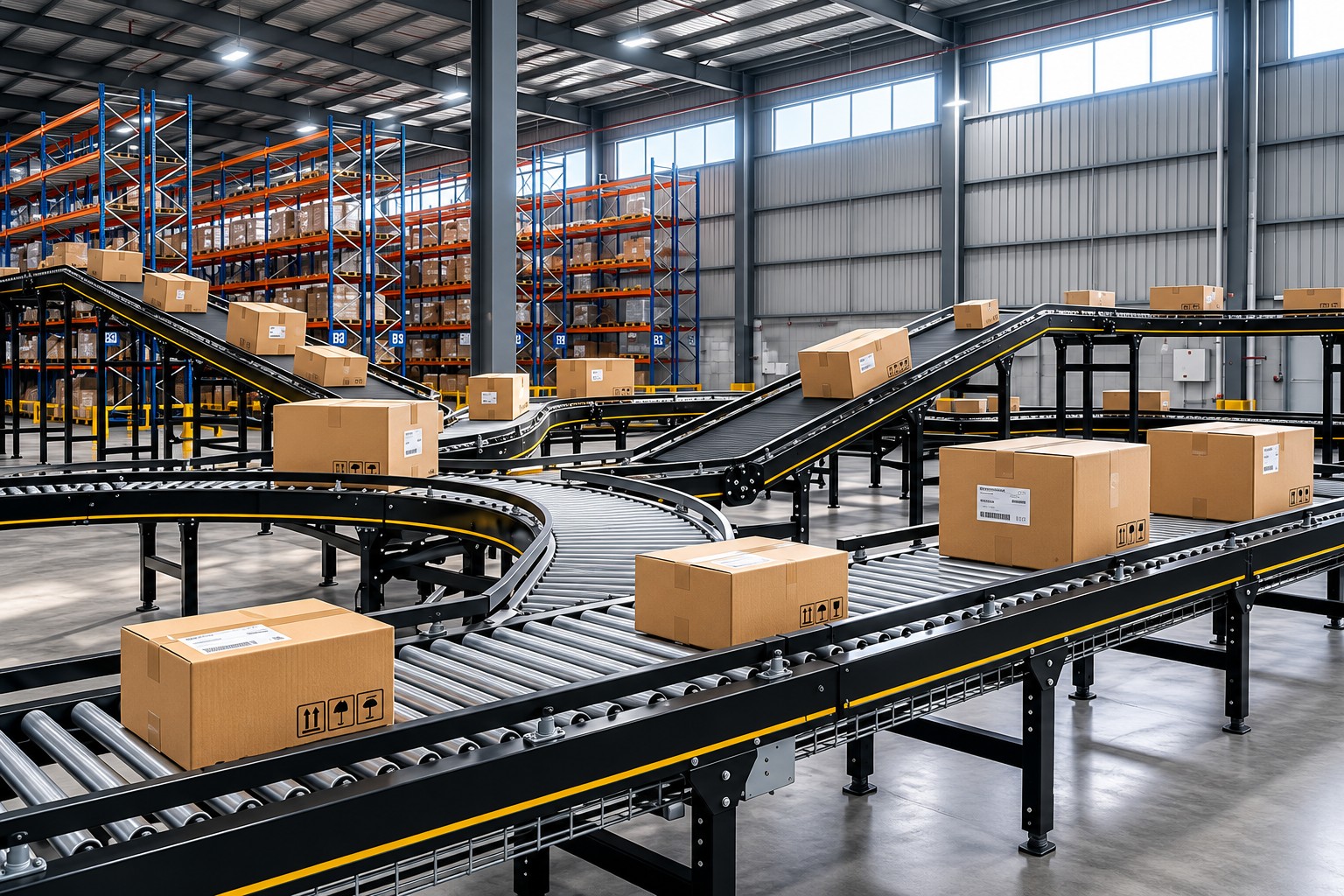
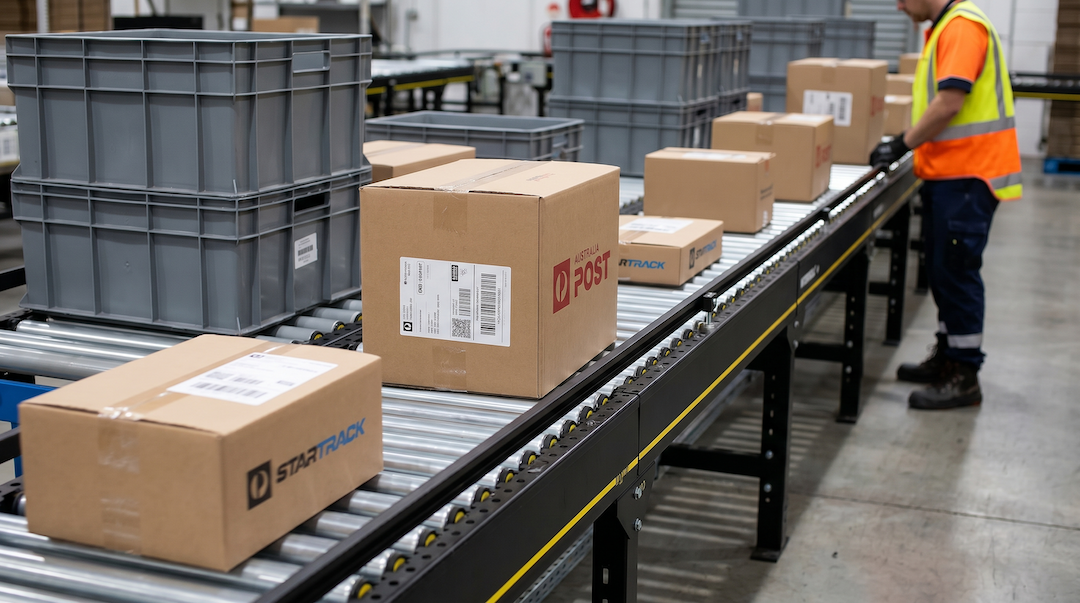
A conveyor system replaces those hand-offs with one continuous, controlled flow. Product moves from receiving through picking, packing, sortation and dispatch by itself, and your team stays at the stations where they add value.
SAS designs and installs conveyor systems built on Interroll’s modular conveyor platform. We then connect them to your scanners, label applicators, sorters and WMS through SASCA, our own warehouse control software. You get one partner from the first layout drawing through to support after go-live. We’ve delivered this for high-volume Sydney operations including Booktopia and Pet Circle.
Built to move more, with less manual handling:
Contact Us
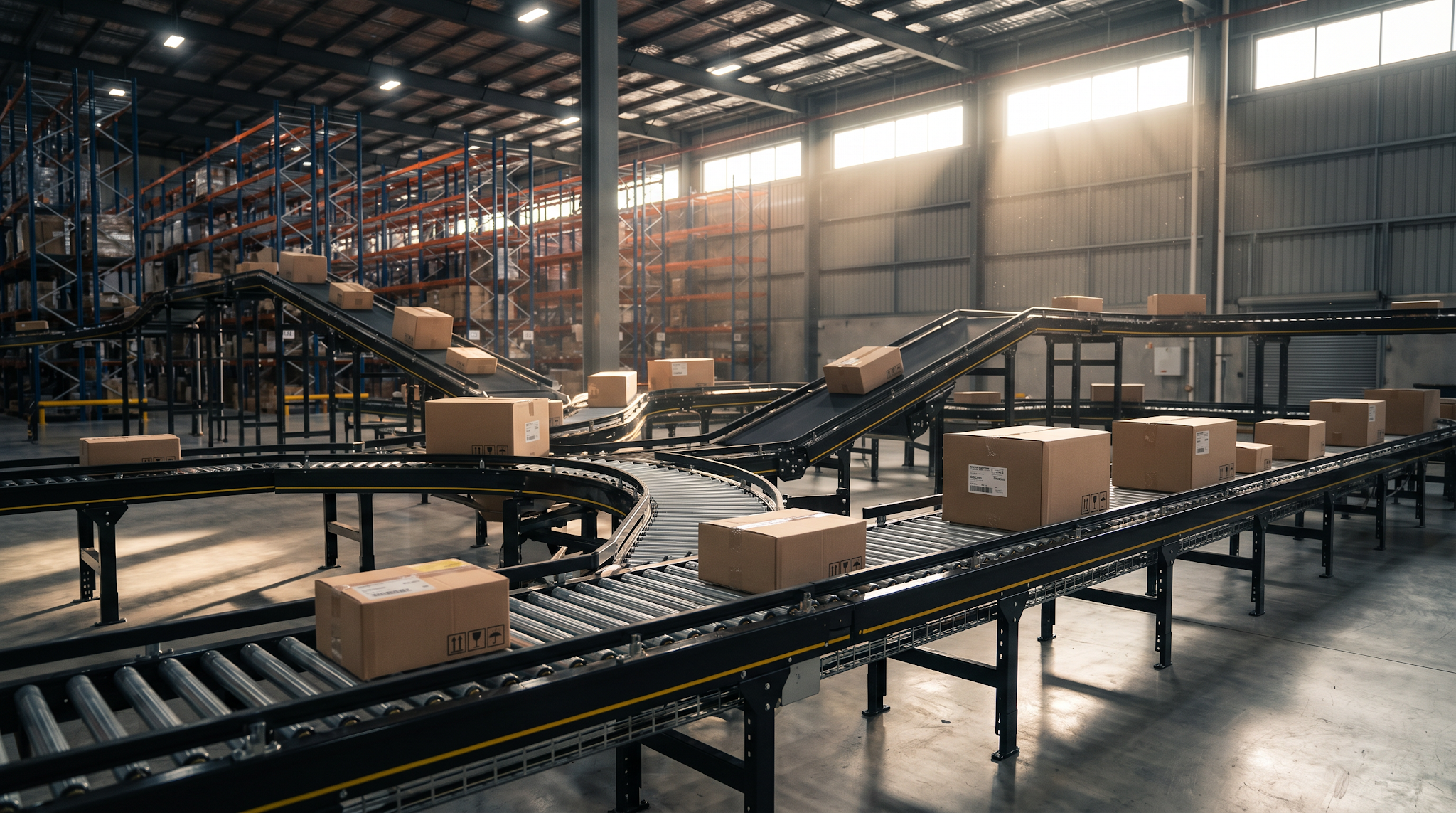
Every conveyor project starts with how product actually moves through your site, not with a parts catalogue. We design the system around your building, your order profile and your peak days, then install, integrate and support it locally. It's a turnkey solution.
We study your carton and tote sizes, order volumes, peak periods and building layout. We also find the points where product waits, gets handled twice or travels further than it should.
We lay out routes, merges, accumulation zones and sort destinations, then test the design's throughput against your busiest days before any equipment is ordered.
We continuously monitor performance, provide ongoing support, and help scale your automation capabilities as your business grows.
We test and commission every zone, train your operators and maintenance team, and provide local support. As volumes grow, we can extend routes, add merges or bring in sortation.
Benefits
Product moves at a steady, controlled rate between every stage, so packing and dispatch never sit waiting for the next trolley.
Fewer lifts, carries and trolley pushes mean less strain on your team and a lower risk of manual handling injuries.
Zero-pressure accumulation holds each item in its own zone until there's room downstream. Nothing gets crushed at a merge or jammed at a backlog.
In-line scanners read each carton or tote, and the controls send it to the right station, lane or carrier. That means fewer missorts and fewer reshipped orders.
Interroll RollerDrive motor-driven rollers run on 24V or 48V, and each zone only runs while product is on it. Your conveyors aren't running empty all shift.
The system is modular, so you can add sections, curves, spirals or a sorter later without ripping out what's already installed.
Products
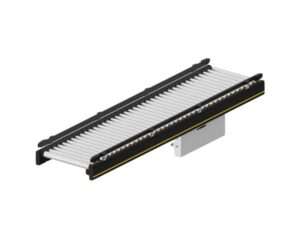
Modular conveyor systems that move everything from pallets to polybags, with zero-pressure accumulation to prevent damage.
Learn More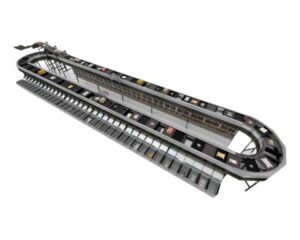
Gentle, high-speed sorting for parcels and packages up to 50kg, used by major carriers worldwide.
Learn More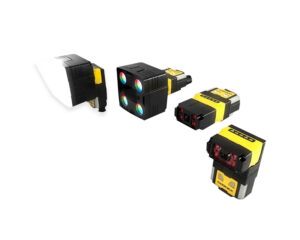
A high-resolution reader that verifies barcodes on parts, packages, and pallets without adding a manual check.
Learn More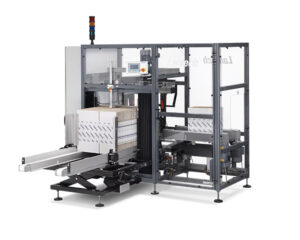
An automatic case erector that forms consistent, jam-free cases at up to 30 per minute.
Learn More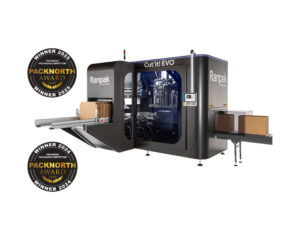
The Cut’it!™ EVO automated in-line packing machine reduces voids in parcels before shipping, cutting down on shipping costs.
Learn More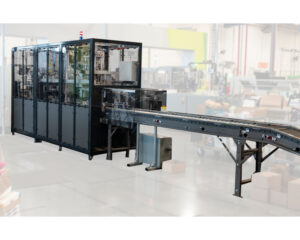
I-Pack uses a folded corrugated tray to create a custom, snug fit carton that is sealed with a glued lid.
Learn More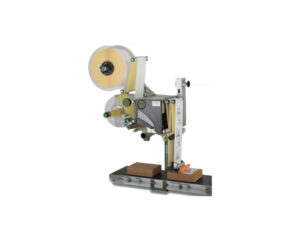
Applies labels at up to 50 metres per minute, without sacrificing accuracy or line uptime
Learn MoreIs your warehouse ready for a conveyor system?
You'll need clear paths for conveyor runs, enough height for overhead or spiral sections, and a suitable slab. We design around forklift crossings, emergency exits and your existing racking.
Your WMS needs to tell the conveyor where each order goes. SASCA, our control software, connects conveyors, scanners and sorters to your current system, so you don't need to replace what already works.
Reliable power and IT infrastructure keep drives, scanners and controls running through every shift.
Accurate carton dimensions, weights and packaging types, along with readable barcodes, let us size the system correctly and keep product flowing after go-live.
Industries
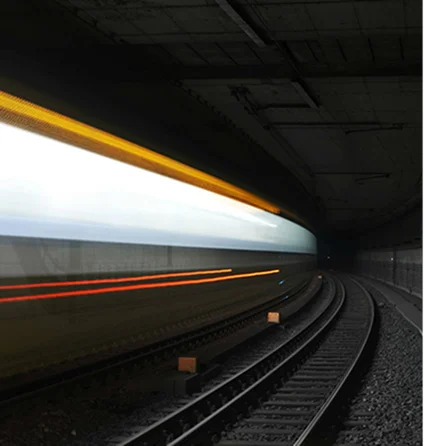
Multiple clients, changing volumes and different carriers. A modular conveyor can be reconfigured as contracts change, and in-line sortation splits outbound parcels by carrier automatically.

High volumes of single-item orders and huge peaks around Click Frenzy, Black Friday and Christmas. Conveyors link picking, packing, labelling and carrier sortation, so you can absorb peaks without doubling your casual workforce.
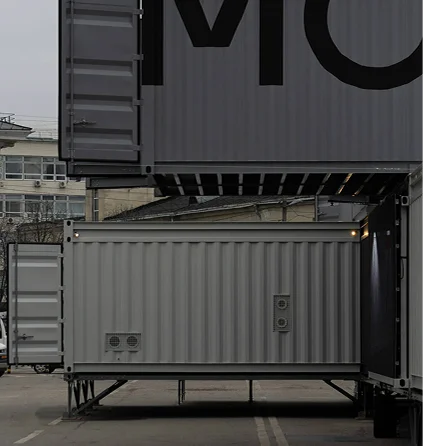
Heavy case flows and store replenishment. Conveyors move cartons from pick faces to dispatch, and sortation builds orders by store or delivery route.

Accuracy and traceability matter most here. Every tote is scanned and logged as it moves, and gentle handling protects sensitive stock.
Frequently Asked Questions
A warehouse conveyor system is a network of powered rollers, belts and sorters that moves products automatically between work areas such as receiving, picking, packing and dispatch. It replaces manual carrying and trolley work with a continuous, controlled flow, and is usually connected to the warehouse management system so each item goes to the right place.
It depends on what you move. Motor-driven roller conveyors suit cartons and totes, belt conveyors suit polybags and irregular items, and spiral conveyors move product between levels. Most warehouses use a mix. We recommend a layout after reviewing your product sizes, weights and order volumes.
Zero-pressure accumulation means the conveyor is split into zones that each hold one item. When product backs up, items wait in their own zone instead of pushing against each other, which prevents damage, jams and crushed packaging.
Cost depends on conveyor length, the number of merges and curves, level changes, whether sortation is included, and how much integration with your WMS is needed. We provide a fixed, itemised quote after the design stage, along with a payback estimate based on your own labour and volume data.
It depends on system size and site readiness. A typical project takes around 6 Months from contract to go-live, and most of that time goes on design, manufacturing and shipping rather than on-site work. Installation is staged around your operating hours so you can keep shipping. We provide a detailed schedule during design.
Yes. Our SASCA warehouse control software sits between your WMS or ERP and the conveyor equipment. It sends routing instructions and returns scan and status data in real time, so you don't need to replace your current system.
Yes. Most of our conveyor projects are retrofits into operating warehouses. We design around your racking, columns and traffic routes, and we can connect new conveyors to existing equipment such as OPEX sorters, label applicators and pack stations.
Yes. Conveyors remove walking, carrying and manual sorting, which frees staff for picking, packing and quality checks and helps you handle peaks without hiring temps. We estimate your savings from your own data during the assessment.
Send us your layout and order volumes. We'll show you where product is being handled twice, and what a conveyor system would change. Email us at enquiries@smarteras.com.au or call us at 0423 552 542